Address
304 North Cardinal St.
Dorchester Center, MA 02124
Work Hours
Monday to Friday: 7AM - 7PM
Weekend: 10AM - 5PM

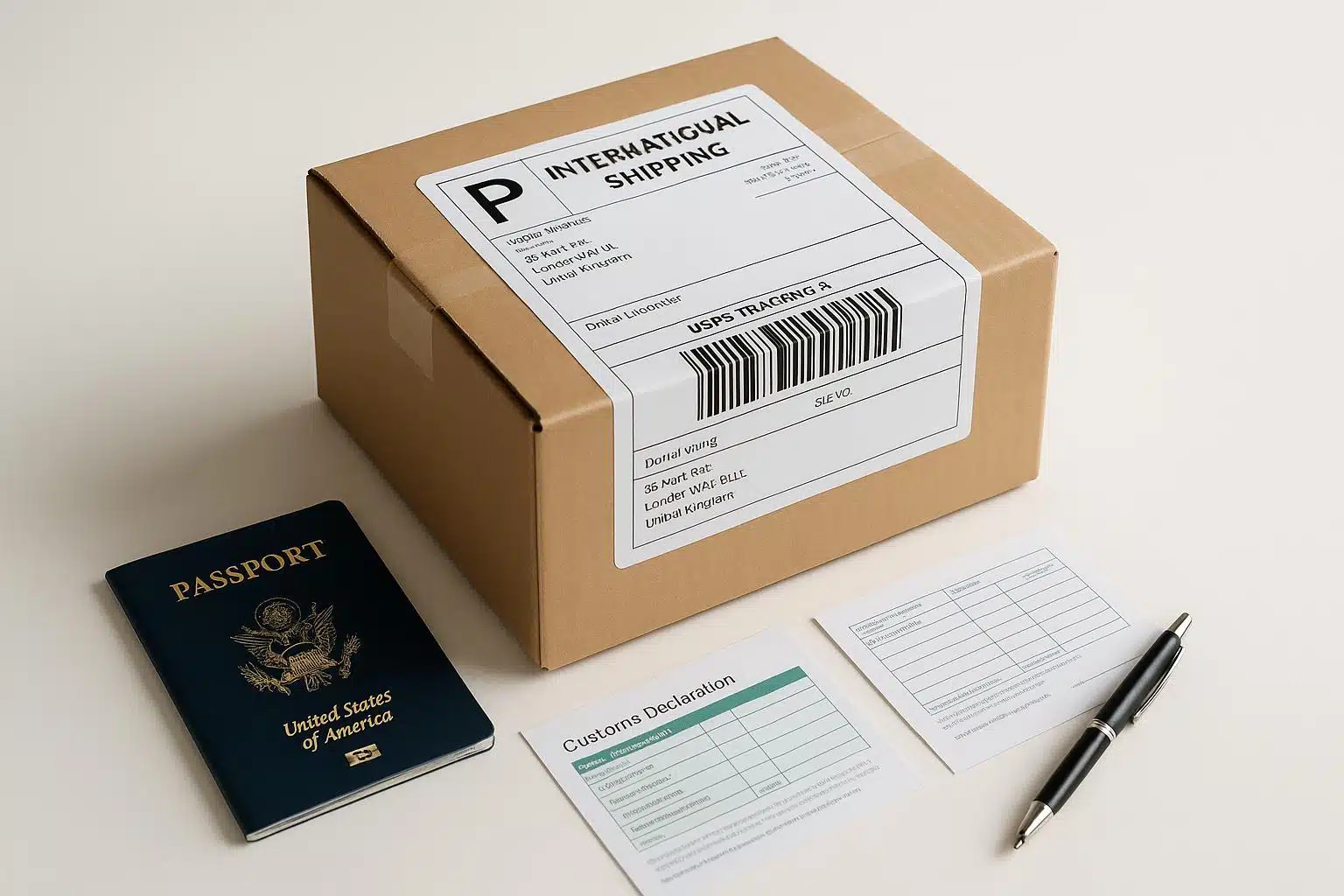
International shipping allows businesses to reach customers, suppliers, and markets around the world. However, managing customs requirements, shipping documents, transportation costs, and delivery schedules can be challenging without the right preparation.
With a clear shipping plan and the support of an experienced logistics partner, businesses can move goods across borders more efficiently and confidently.
Successful international shipping involves several important stages, from preparing your shipment to delivering it at its final destination.
Prepare your shipment: Confirm the contents, quantity, dimensions, weight, and destination of your goods. Check whether the items are permitted for export and import.
Arrange transportation: Choose a suitable shipping method based on your budget, cargo size, and delivery timeline.
Complete export customs clearance: Prepare the required paperwork and meet the export regulations of the country of origin.
Transport your cargo: Ship your goods by air, ocean, or road, depending on your requirements.
Complete import customs clearance: Ensure the shipment meets the destination country’s customs requirements and that applicable duties and taxes are addressed.
Arrange final delivery: Coordinate delivery to the recipient’s address or designated collection point.
Each stage requires accurate information and careful coordination to help prevent unnecessary delays.
Shipping documentation helps customs authorities identify goods, verify their value, and determine whether they meet import and export requirements.
The most common documents include:
Commercial invoice: Describes the goods, their value, quantity, and relevant customs information.
Packing list: Identifies the contents, quantities, weight, and dimensions of the shipment.
Certificate of origin: Identifies the country where the goods were produced, when required.
Bill of lading or air waybill: Provides transportation details and serves as a shipping document for sea or air cargo.
Export permits or licenses: May be required for certain restricted or regulated goods.
Additional documents may be necessary depending on the shipment, product type, and destination country.
Customs requirements differ from one country to another. Before shipping, businesses should check the destination country’s rules concerning permitted goods, import duties, taxes, and documentation.
Correctly classifying goods using Harmonized System (HS) codes is also important. These codes help customs authorities determine how products are categorized and which duties or restrictions may apply.
Providing accurate product descriptions, declared values, and supporting documents can help reduce the risk of customs delays, penalties, or shipment complications.
For complex shipments, working with a qualified customs broker or knowledgeable freight forwarder can make the process easier to manage.
The best transportation option depends on the nature of your cargo, delivery deadline, and shipping budget.
Air freight: Suitable for time-sensitive shipments, valuable goods, and cargo that needs to travel quickly over long distances.
Ocean freight: Often a practical option for larger shipments, heavy cargo, and businesses seeking economical international transportation.
Road freight: Useful for domestic transportation and cross-border deliveries between connected regions.
Express door-to-door shipping: Convenient for smaller or urgent shipments requiring coordinated pickup and delivery.
A logistics provider can help assess your shipment and identify a suitable service based on your priorities.
Choosing the right shipping partner can make a significant difference to your business. Look for a provider that offers:
International coverage: Access to the destinations and transportation networks your business needs.
Transparent pricing: Clear information about freight charges, handling fees, and potential additional costs.
Reliable coordination: Professional management of pickups, transportation, documentation, and delivery.
Shipment visibility: Tracking updates that help you monitor your cargo throughout its journey.
Responsive customer support: Access to knowledgeable staff who can answer questions and help address shipment issues.
Customs expertise: Practical guidance on documentation and destination-specific requirements.
A dependable logistics partner helps you make informed shipping decisions and manage the movement of goods with greater confidence.
International shipping costs can vary depending on cargo weight, dimensions, transportation method, destination, and additional services.
Businesses can manage expenses by comparing shipping options, planning shipments in advance, using appropriate packaging, and consolidating cargo where practical.
It is equally important to protect shipments against potential risks. Proper packaging, accurate labeling, careful handling, cargo insurance where appropriate, and reliable tracking can help reduce exposure to damage, loss, and unexpected disruptions.
Businesses should also allow sufficient time for customs clearance and possible transportation delays, particularly when shipping during busy periods.
Technology helps businesses manage international shipments more effectively. Digital documentation, online tracking, automated notifications, and shipment management systems can improve visibility and simplify communication.
Tracking updates help businesses and recipients follow shipment progress, while digital records make it easier to organize important shipping information.
Although technology can improve coordination, accurate shipment details and experienced logistics professionals remain essential to a successful delivery.
International shipping does not have to be complicated. With proper preparation, accurate documentation, and the right logistics partner, businesses can navigate global transportation more confidently.
Globex Logistics International provides logistics solutions designed to support domestic and international shipping needs, including air freight, ocean freight, trucking, and express door-to-door services.
Whether you are shipping a small package or coordinating larger cargo, our team can help you explore suitable transportation options and understand the steps involved in moving your shipment.
Contact Globex Logistics International to discuss your shipping requirements and find a solution tailored to your needs.
Common documents include a commercial invoice, packing list, and air waybill or bill of lading. Some shipments may also require a certificate of origin, export license, or additional permits.
Air freight is generally suited to urgent shipments, while ocean freight is often more economical for larger or heavier cargo. Your decision should consider delivery time, shipment size, budget, and destination.
Provide accurate shipment descriptions, declare the correct values, use appropriate HS codes, and prepare all required documentation. Check the destination country’s regulations before dispatch.
Use the tracking number provided by your carrier or logistics provider to monitor shipment progress and review available delivery updates.
Shipping costs may depend on cargo weight and dimensions, destination, transportation method, delivery speed, customs-related charges, and any additional handling or delivery services.
