Address
304 North Cardinal St.
Dorchester Center, MA 02124
Work Hours
Monday to Friday: 7AM - 7PM
Weekend: 10AM - 5PM

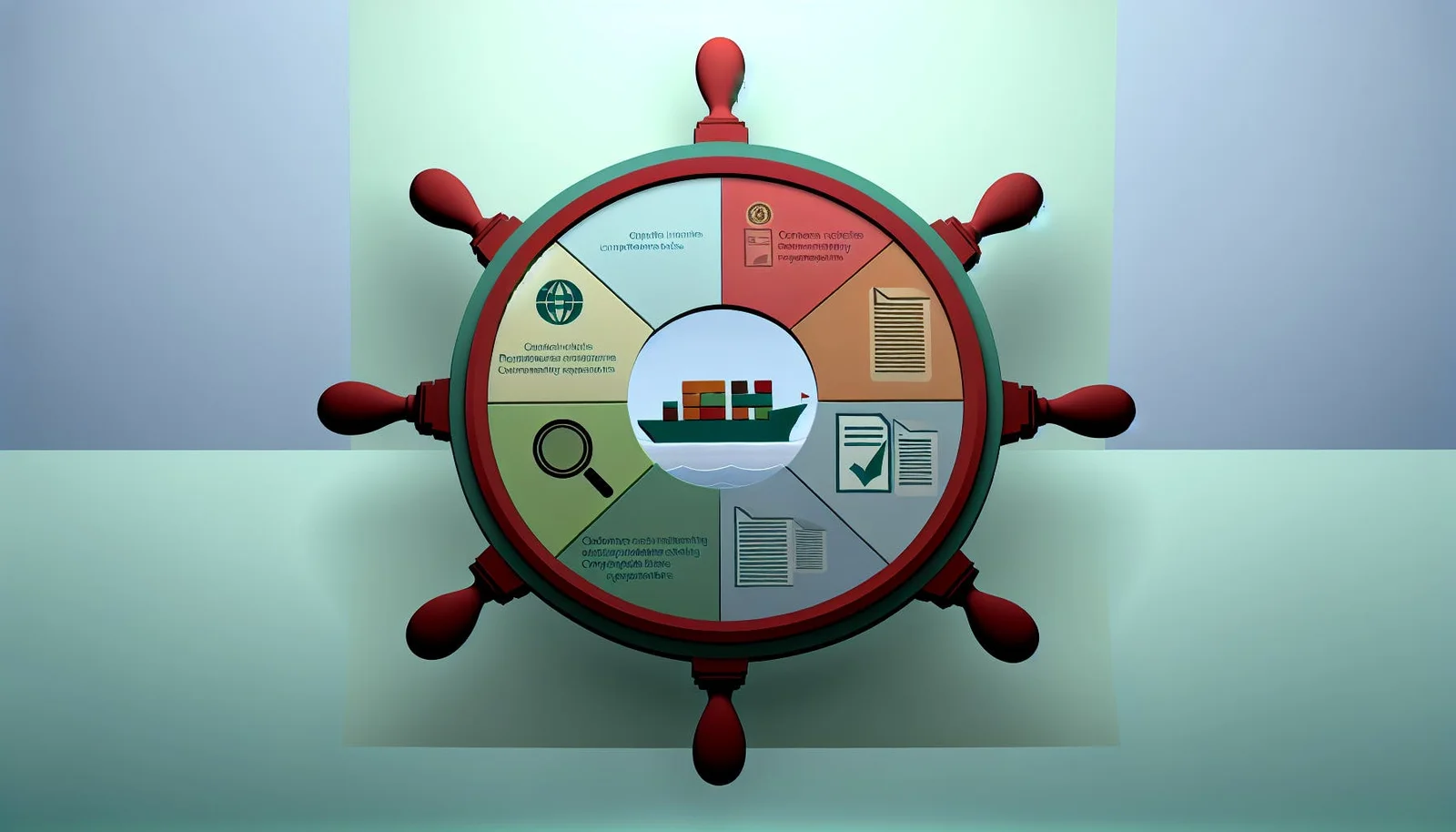
Import shipping documents are essential for ensuring goods move smoothly, legally, and efficiently across international borders. Accurate paperwork helps importers meet customs requirements, calculate duties and taxes, verify cargo details, and prevent costly delays.
The documents required for an import shipment depend on the destination country, type of goods, and transportation method. However, the following are commonly required:
Commercial Invoice: Provides details of the transaction, including the buyer, seller, goods description, quantities, and declared value. Customs authorities use it to assess duties and taxes.
Packing List: Identifies the contents of each package, including quantities, weights, dimensions, and packaging details. It helps customs officials and carriers verify the cargo.
Bill of Lading or Air Waybill: Serves as evidence of the shipment and outlines the transportation agreement between the shipper and carrier. A bill of lading is commonly used for sea freight, while an air waybill accompanies air cargo.
Bill of Entry or Customs Declaration: Submitted to the relevant customs authority, it identifies the imported goods, their classification, origin, value, and applicable duties and taxes.
Certificate of Origin: Confirms the country where goods were produced or manufactured. It may be required to determine eligibility for preferential tariffs or trade agreements.
Insurance Certificate: Provides evidence of cargo insurance coverage against eligible loss or damage during transit.
Import License and Special Permits: Required for certain regulated goods, including specific food products, plants, animals, chemicals, and controlled equipment.
Inspection or Compliance Certificates: May be necessary to demonstrate that goods meet applicable safety, quality, health, or regulatory standards.
Importers must comply with the customs laws and trade regulations of the destination country. In the United States, for example, Customs and Border Protection (CBP) oversees import clearance, while other agencies may regulate specific product categories.
Businesses involved in international trade should also check applicable sanctions and restricted-party requirements, including relevant Office of Foreign Assets Control (OFAC) restrictions where applicable.
Failure to provide accurate documentation or comply with import regulations can result in shipment delays, additional charges, penalties, or cargo seizure.
To streamline customs clearance, importers should:
Confirm the documentation requirements of the destination country before shipping.
Ensure that commercial invoices and packing lists contain accurate, consistent information.
Verify the correct product classification, country of origin, and declared customs value.
Obtain any required licenses, permits, certificates, or inspections before dispatch.
Check whether documents must be translated into the destination country’s official language.
Work with a qualified freight forwarder or customs broker when dealing with complex shipments.
Although requirements vary by country and shipment, three documents are commonly central to import clearance:
Commercial Invoice: Establishes the transaction details and declared value of the goods.
Bill of Lading or Air Waybill: Provides shipment and transportation information.
Customs Declaration or Bill of Entry: Supplies the information customs authorities need to process the import and assess applicable duties and taxes.
An insurance certificate may also be required by the transaction, shipping arrangement, or applicable regulations, but it is not universally mandatory for customs clearance.
Successful international importing depends on accurate documentation, proper preparation, and compliance with destination-country regulations. By organizing essential shipping documents in advance and working with experienced logistics professionals, importers can reduce clearance delays, manage costs, and support the reliable movement of goods across borders.
Because documentation requirements differ by country, cargo type, and transport method, importers should confirm the specific requirements with the relevant customs authority or a qualified customs broker before shipment.
