Address
304 North Cardinal St.
Dorchester Center, MA 02124
Work Hours
Monday to Friday: 7AM - 7PM
Weekend: 10AM - 5PM

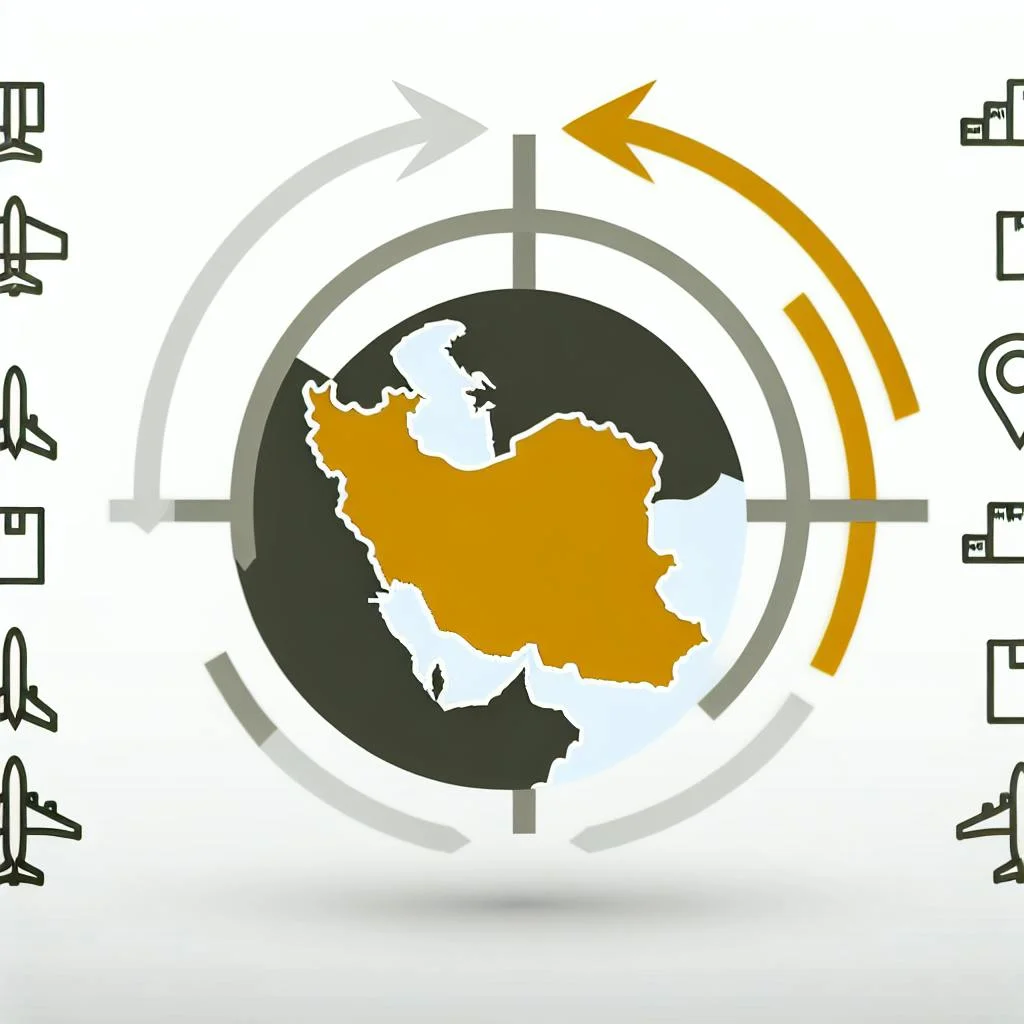
Express international shipping to Iran requires careful planning due to international sanctions, export controls, and customs regulations. Businesses can reduce delays and manage shipping risks by understanding applicable rules, preparing accurate documentation, and working with qualified logistics providers.
The Office of Foreign Assets Control (OFAC) administers U.S. economic sanctions, including restrictions on trade with Iran. Certain transactions and exports may be prohibited or require authorization. Businesses should screen relevant parties, verify licensing requirements, and ensure compliance with applicable OFAC and export-control regulations. Violations can result in significant penalties.
Shipping options, delivery times, and service availability vary by carrier and destination. Providers such as DHL, FedEx, UPS, and USPS offer international shipping services, but their ability to handle shipments to Iran must be confirmed before booking.
When comparing providers, consider:
Shipping rates, fuel surcharges, and additional fees.
Estimated transit times and customs clearance requirements.
Tracking capabilities and delivery confirmation.
Insurance options and customer support.
Compliance expertise and destination-specific restrictions.
Always obtain a current quotation and confirm that the carrier accepts the shipment and route.
Accurate customs documentation is essential for international shipping. Businesses should provide detailed product descriptions, correct Harmonized System (HS) codes, accurate shipment values, and all required declarations.
Certain goods, including weapons, sensitive technologies, and restricted industrial equipment, may be prohibited or require special authorization. Permitted exemptions and licensing requirements depend on the specific goods and circumstances.
To reduce customs delays, verify restrictions before dispatch, complete all paperwork accurately, and respond promptly to requests for additional information.
International express delivery times depend on the origin, destination, carrier, route, and customs clearance. Published delivery estimates generally exclude unexpected regulatory delays. Services advertised for other countries should not be assumed to operate to Iran.
Tracking tools, email notifications, and carrier support can help businesses monitor shipment progress and identify potential problems early.
Businesses can improve shipping efficiency by:
Confirming legal eligibility and carrier acceptance before booking.
Preparing accurate documentation and obtaining required licenses.
Using experienced logistics providers with appropriate compliance expertise.
Comparing total shipping costs rather than base rates alone.
Monitoring tracking updates and responding quickly to customs inquiries.
Reviewing insurance coverage and maintaining records for potential claims.
Successful express shipping to Iran depends on regulatory compliance, accurate documentation, reliable logistics planning, and realistic delivery expectations. Businesses should verify current sanctions requirements, confirm service availability directly with carriers, and consult qualified compliance professionals when necessary. These measures help reduce avoidable delays while supporting lawful and efficient international shipping.
